Dollar To Naira Exchange Rate: Why The Official And Black Market Numbers Never Match
September 5, 2026financeWhy does the naira have two different prices?
If you've ever tried to look up "today's dollar to naira rate" before sending money home, you've probably run into this: three different websites, three different numbers. One says one rate. Your cousin who just sent money last week swears it's higher. A forex trader down the road quotes something else entirely. None of them are lying to you - they're just quoting different markets.
The official rate
This is the rate set through Nigeria's official foreign exchange window, the one banks and licensed money transfer operators use as their baseline. It's the number you'll see quoted by the Central Bank of Nigeria and reflected in regulated channels. It moves based on official supply and demand for dollars flowing through the banking system.
The parallel ("black") market rate
This is the rate you'll hear about from street traders, some social media pages, and word of mouth. It exists because demand for dollars in Nigeria has, historically, often outpaced what the official channel could supply - so a separate, unregulated market formed to fill the gap. It's not something we'd ever point you toward using directly: it's unregulated, there's no protection if something goes wrong, and rates can swing based on rumor as much as reality. But it's worth understanding why it exists, because it's the reason the two numbers you see online rarely match.
Why this actually matters when you're sending money
Here's the part that affects your pocket directly: the gap between these rates is exactly where a lot of money transfer providers quietly make their margin. A provider can advertise "no transfer fee" and still make money off you - by quoting you a rate that's worse than what's actually available, and pocketing the difference. You'd never see it as a line-item fee, because it's baked into the exchange rate itself.
That's why "how much did my fee cost me" is often the wrong question. The right question is: "what rate did I actually get, compared to the real one?"
How to check you're getting a fair rate
- Look up the live rate independently before you send - don't rely on what a provider tells you in-app, check it against a live source first.
- Compare the rate you're quoted against that live number. A small spread is normal (it's how any provider stays in business); a large one is a red flag.
- Watch for the phrase "no fees" without a rate shown upfront - that's usually where the margin is hiding.
You can check today's live USD to NGN rate right now on our USD to Naira exchange rate page - it updates in real time, with no markup hidden inside it. If you're sending regularly, it's worth bookmarking.
How SendFP handles this differently
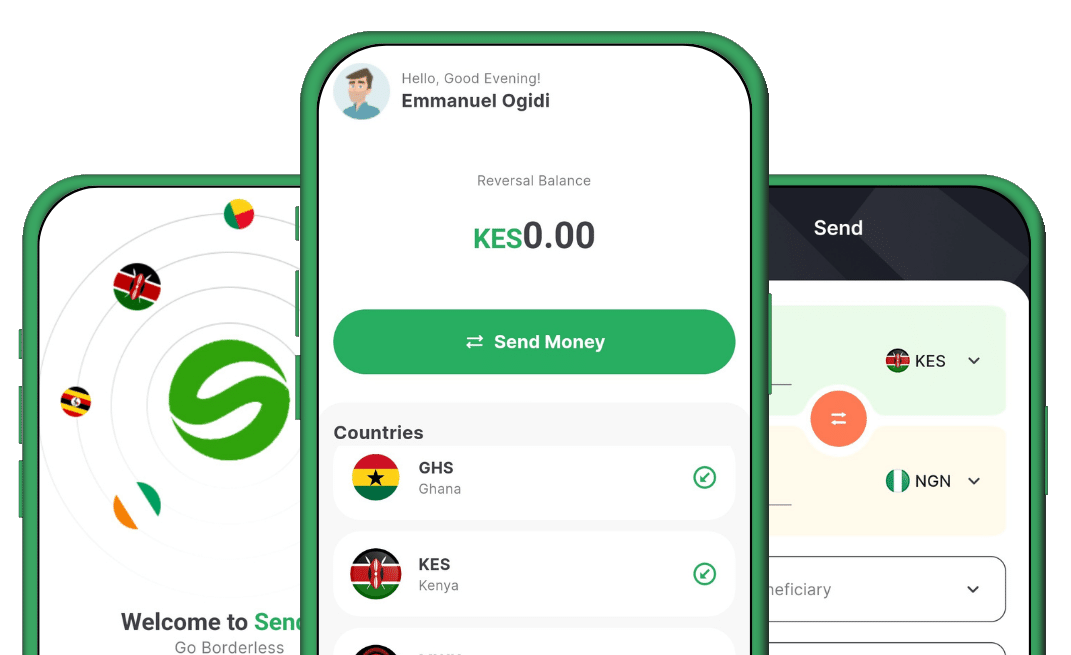
We show you the exact rate and fee before you confirm anything - not after. What you see in the app is what your recipient gets, converted at a competitive rate with nothing quietly added on top. If you're sending money to Nigeria, that transparency is the whole point: you shouldn't have to do detective work to know if you got a fair deal.
The bottom line
The "real" dollar-to-naira rate depends on which market you're asking about, and that's not something that's going to change any time soon. What is in your control is checking the live rate before you send, and choosing a provider that shows you the number instead of hoping you won't ask.